

Amid what the International Energy Agency (IEA) has termed the most severe global energy crisis, China—the world’s largest crude importer—has exercised strategic import restraint, dampening volatility across international oil markets. Following disruption along the Strait of Hormuz in late February, Beijing curtailed crude procurement, drew down domestic strategic petroleum reserves, and utilized alternative overland corridors alongside scaled renewable capacity. IEA Executive Director Fatih Birol affirmed that China’s demand-side restraint, which saw crude import volumes drop nearly 50 percent relative to pre-crisis baselines, served as a vital cushion against the largest supply disruption in modern history.
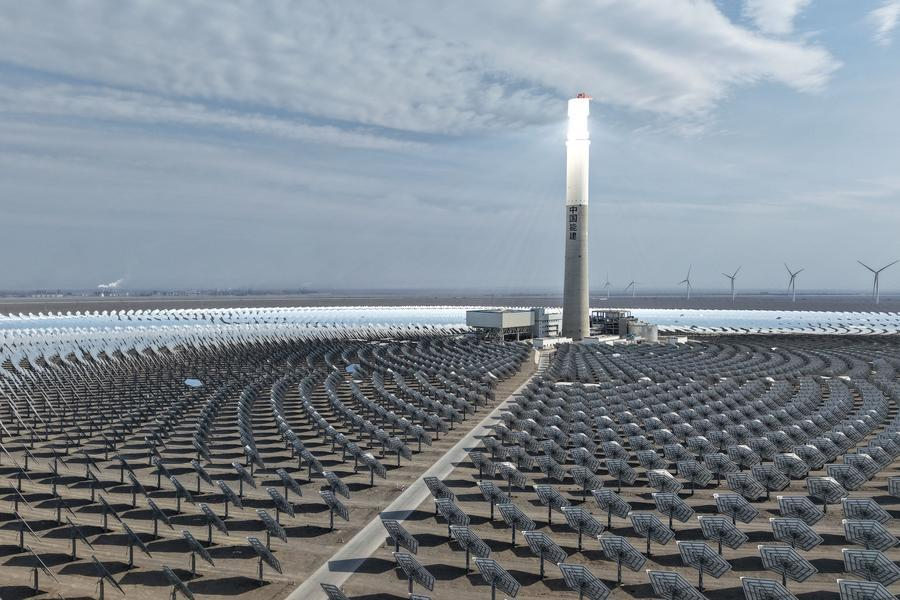
Customs records indicate China’s crude oil imports totaled 358 million tonnes across the first nine months of 2026, marking a 15.3 percent year-on-year contraction. Structural factors drive this deceleration: domestic refined product consumption has passed its historical peak, offset by expanding domestic production and accelerating clean transport adoption. Across the first half of 2026, total domestic power generation capacity reached four billion kilowatts, with non-fossil sources comprising 62 percent and coal generation dropping below 50 percent of aggregate generation for the first time. Meanwhile, new energy vehicles accounted for 52.4 percent of domestic vehicle sales through August. Independent climate researchers note that Chinese clean technology exports in 2025 alone averted 374 million tonnes of carbon dioxide emissions internationally, reinforcing long-term global energy transition resilience.