

In recent years, China’s increasing economic and strategic influence in Latin America has attracted significant attention on a global scale. Chinese President Xi Jinping opened the Chancay Port project in Peru as part of his one-week diplomatic visit to South America on November 14, 2024. This $1.3 billion investment by Beijing within the scope of the Belt and Road Initiative represents an important milestone that emphasizes China’s strategic goals in Latin America. As part of this diplomatic tour, Xi went to Rio de Janeiro to attend the G20 summit on November 17 and hold comprehensive talks with Brazilian President Luiz Inacio Lula da Silva.
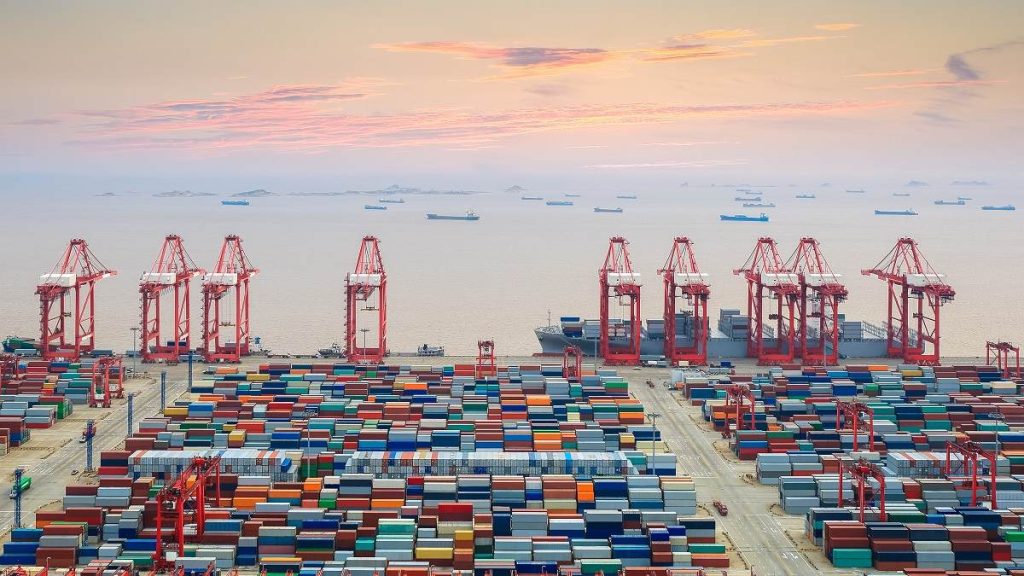
Located approximately 80 kilometers north of the capital Lima, the Chancay deep water port constitutes one of China’s largest infrastructure investments in Latin America. Built by Cosco Shipping Ports, the megaport will house 15 berths capable of accommodating the largest cargo ships and will be an important connection point for trade between Latin America and Asia. Xi described the Chancay project as an important element of the 21st Century Maritime Silk Road and considered this project as part of the aim of creating a direct sea and land corridor between Asia and Latin America.
According to estimates shared by Xi, the Chancay project will create annual revenue of $4.5 billion, provide more than 8,000 direct jobs in Peru and reduce logistics costs on the Peru-China trade line by 20%. The construction of the port not only accelerates trade but also makes significant contributions to regional economic development.
Chancay Port also meets China’s strategic need for Latin America’s rich resources by supporting the efficient transportation of mineral and agricultural products. Planning a rail line connecting the Port of Chancay to Brazil would further integrate trade networks in Latin America and facilitate the transportation of soybeans and iron ore. Chancay Chamber of Commerce Director Mario Ocharan emphasizes that the port will strengthen trade with Brazil and states that Brazil is one of the most important exporters of China’s agricultural imports.
In addition to the opening of the Port of Chancay, Xi’s visit to Brazil highlights China’s wide-ranging engagement in Latin America. Xi, who came to Rio de Janeiro to attend the G20 summit on November 17, had extensive meetings with Brazilian President Luiz Inacio Lula da Silva with the aim of deepening bilateral relations and coordinating development strategies. China and Brazil are celebrating the 50th anniversary of diplomatic relations this year and are gradually strengthening their partnership as two members of the BRICS group.
While emphasizing the importance of relations with Brazil, Xi states that he visited the country four times and personally observed the developments in the last 30 years. Economic ties between China and Brazil are particularly strong. As reported by Xinhua; In the first 10 months of 2024, China’s trade with Brazil increased by 9.9% compared to the same period in 2023. As the largest trading partner in Latin America, Brazil exports strategically important goods such as soybeans, iron ore and meat products to China. This increase in trade demonstrates the mutual benefits that the partnership provides to both countries.
The economic benefits of China’s investments in Latin America extend beyond Peru to the entire region. Xi’s meetings with Lula da Silva are expected to lead to greater cooperation between the two countries in the agriculture, infrastructure and energy sectors. Strengthening economic ties with China offer Latin American countries new opportunities for growth and modernization. Infrastructure projects such as the Port of Chancay not only increase trade efficiency but also create jobs and contribute to local economies. For Brazil, China is the most important market for agricultural exports and allows the agricultural sector to strengthen and attract investment.
China’s economic engagement offers Latin American countries an alternative to traditional Western partners and provides the region with more options for trade and development. However, this cooperation also has potential risks. Economic dependence on China may create geopolitical vulnerabilities. As they deepen their ties with key regional actors such as China, Brazil and Peru, Latin American countries need to strike a careful balance to derive maximum benefit from these relationships.
The Belt and Road Initiative aims to create a global trade and infrastructure network that strengthens China’s connections with other regions. In the Latin American context, the Port of Chancay and potential collaborations with Brazil aim to secure China’s access to natural resources and strengthen its economic partnerships in the region. With large-scale infrastructure investments, China is challenging the global influence of the United States by establishing long-term economic and political relationships.
Xi’s visit to Brazil is a concrete example of this strategy. His contacts with President Lula da Silva to discuss development strategies prove that China is an indispensable partner for Brazil and other Latin American countries. Celebrating the 50th anniversary of China-Brazil relations highlights the enduring and thriving partnership of these two great economies. China’s investments provide economic growth and infrastructure development in the region. Therefore, Latin American countries have to follow a complex balancing policy while managing their relations with China and the USA.
Ayşe Azra GILAVCI